1930
Timeline img

1935

From Garage to Greatness: Frymaster's Humble Beginnings

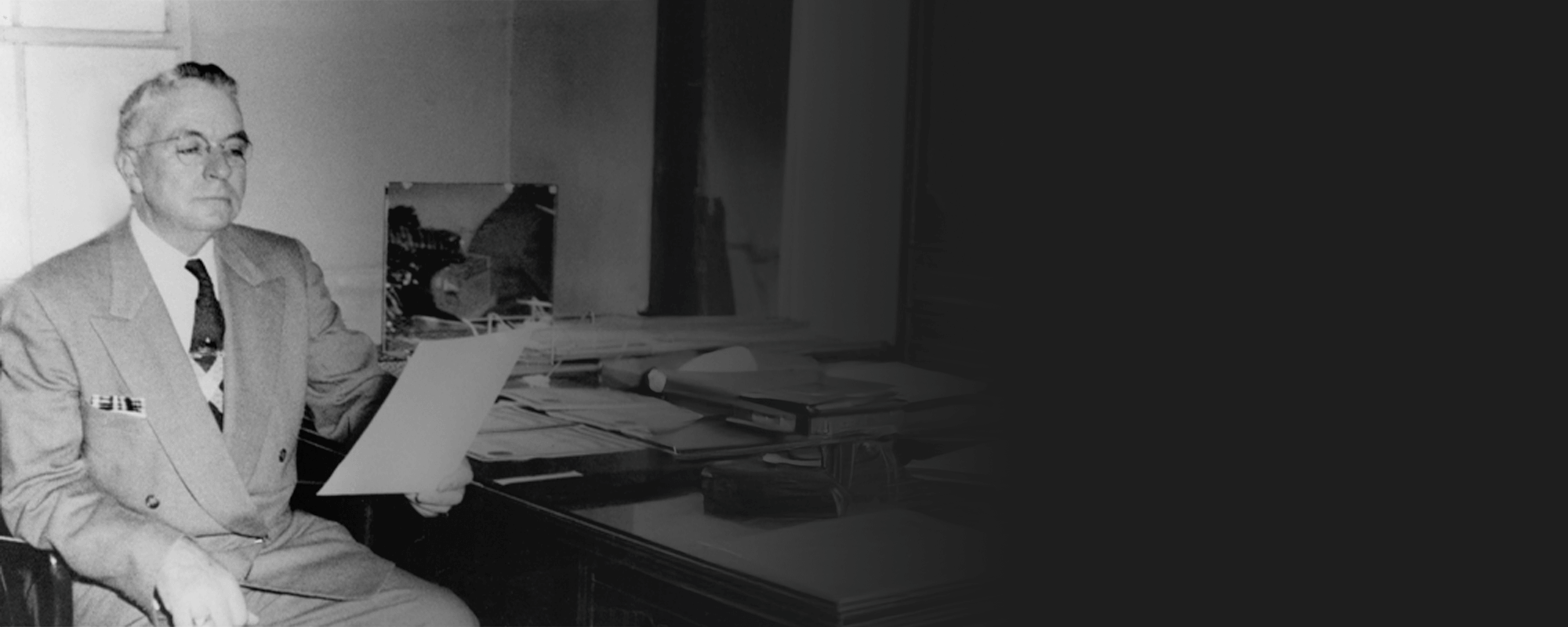
P.F. Ratcliff founded Frymaster in Shreveport, Louisiana, building early fryer models right out of his garage. His first design, based on open pot principles, set a new standard for efficiency and ease of cleaning in deep frying.

1938

A Spark of Innovation: The Birth of the Jet Burner

While attempting to heat a steel rod for easier bending, Ratcliff stumbled upon an idea that would revolutionize commercial frying. This unexpected breakthrough led to the creation of the first Frymaster jet burner—an invention that paved the way for thousands of gas fryers to follow.

1939

Expanding Horizons: A Growing Demand

As demand grew, Frymaster expanded to a second manufacturing site—marking a pivotal step toward industry leadership.

1940

1940

The Frymaster Name Takes Root

The name “Frymaster” first appeared in 1940, chosen by P.F. Ratcliff for its familiar, consumer-friendly sound—marking a defining moment in the brand’s identity.

1945

Postwar Progress: A New Chapter in Manufacturing

In the years following World War II, Frymaster operations moved to a third site—a newly built 5,000-square-foot plant. Despite material shortages and a limited labor pool, the facility was constructed through years of quiet determination, marking a significant step in the company’s growth.

1948

Officially Frymaster

The company formally adopted the name “The Frymaster Corporation,” solidifying its identity in the commercial foodservice industry. This milestone marked the transition from a garage-born innovation to an established brand with growing national recognition.

1950

1954

Precision Thermostat Developed

Frymaster developed a precision 1°F action thermostat—a significant improvement over existing, less accurate units for temperature control in frying.

1958

A Pivotal Partnership Begins

At the 1958 National Restaurant Association show, Colonel Sanders chose Frymaster fryers for KFC—marking the brand’s first major chain partnership and a leap toward industry leadership.

1960

1960

Taking Frymaster on the Road

Frymaster launched its “Cooking for Profit” road show, a traveling exhibition that brought its equipment directly to operators and boosted national brand recognition.

1964

A Leap Forward in Manufacturing

Frymaster’s fourth facility—a modern 50,000-square-foot plant with advanced systems and a demo kitchen—reflected its growing scale and commitment to innovation.

1967

Automation Elevates Frying Precision

Frymaster introduced automatic basket lifters—first with timers, then cooking computers—paving the way for smarter, more consistent high-volume frying.

1970

1971

A New Era of Fryer Automation

Frymaster developed Filter Magic—a built-in cabinet filtration system that serviced up to six fryers—enabling frequent oil filtration to extend oil life, improve food quality, and showcase practical innovation.

1974

Frymaster Enters the Electric Fryer Market

To meet evolving market needs, Frymaster entered the electric fryer segment with three new models—broadening its reach with versatile, high-performance solutions for both gas and electric kitchens.

1974

Paving the Way for Smart Frying

Frymaster’s development of a microprocessor-based controller marked a major leap in precision cooking and automation, pioneering circuit board technology in foodservice equipment.

1980

1983

The Rise of Frymaster's Star Performer

To boost fryer efficiency, Frymaster’s R&D team developed the MHJ-50, achieving 80% efficiency with low exhaust temperatures and setting a new benchmark in high-performance design.

1986

Scaling Up to Meet Demand

Frymaster’s fifth facility—a 150,000-square-foot plant later expanded to 270,000—underscored its growth and innovation, becoming the long-standing home of its fryer production.

1990

1990

Innovation with a Purpose

Frymaster launched the industry’s first built-in filtration system, combining the frypot and filter to extend oil life, improve food quality, and reduce downtime.

1995

Frymaster Expands with DEAN Tube Fryers

Frymaster added DEAN tube fryers to its lineup, offering a durable, high-capacity solution with fast recovery and easy maintenance—ideal for heavily breaded or battered foods.

1996

UHC Production Begins

Frymaster began producing the Universal Holding Cabinet (UHC), a key solution for preserving food quality and streamlining kitchen operations.

2000

2001

MJH-50 Becomes the H55

Frymaster’s first high-efficiency fryer, the MJH-50, paved the way for the H55—an energy-efficient, fast-recovery model still trusted today for its consistent performance and long-term value.

2005

Raising the Standard in Electric Frying

Frymaster pioneered the first self-standing, rotating heating elements for electric fryers, using a swing-up, low-watt design that improved heat transfer, energy efficiency, and service life.

2007

First Low Oil Volume Fryer Introduced

Frymaster introduced its first Low Oil Volume (LOV) fryer to cut oil use by 40% while maintaining performance—extending oil life by up to 92% and delivering major cost and environmental benefits.

2007

A New Level of Oil Management

Frymaster revolutionized oil management with its Automatic Top Off (ATO) system and industry-first, built-in Oil Quality Sensor (OQS), enhancing food quality, reducing waste, and cutting costs.

2010

2016

First Touchscreen Fryer Introduced

Frymaster introduced the industry’s first touchscreen fryer, streamlining operations with an intuitive interface that simplified training, reduced errors, and ensured consistent cooking.

2019

Business Transformation Begins

Frymaster launched a major business transformation, investing in modernizing its manufacturing environment and adopting advanced technologies to streamline operations and boost efficiency.

2020

2020

FilterQuick 120: A First in High-Capacity Filtration

Frymaster introduced the FilterQuick 120, the first 120-lb. fryer capable of automatic filtration. This innovation not only increased oil capacity but also earned a Kitchen Innovation Award for advancing efficiency, safety, and ease of use in high-volume, high-sediment kitchens.

2022

Joining the Ali Group

Frymaster became part of the Ali Group, one of the world’s largest foodservice equipment manufacturers—strengthening its global presence and expanding opportunities for innovation and collaboration.

FIND YOUR FIT
find-your-fit
FIND YOUR

FIT

Choosing the right fryer doesn't have to be complicated. Our Find Your Fit tool walks you through three simple questions—What are you frying? How much are you frying? And how do you manage your oil? Based on your answers, we'll recommend a curated selection of Good, Better, and Best fryer options tailored to your operation's unique needs. It's a fast, easy way to get expert guidance and find the perfect fit for your kitchen.

Question One

Option One

Low sediment foods produce minimal debris when fried, helping extend oil life. These typically include non-breaded or frozen items like French fries, hash browns, and onion rings.

Option Two

Medium sediment foods release a moderate amount of particles due to light breading or coatings. Examples include chicken tenders, mozzarella sticks, and tempura vegetables.

Option Three

High sediment foods generate heavy debris from batters or breading, requiring frequent filtration. Examples include battered chicken, catfish, and hush puppies.

Question Two

Option One

Low sediment foods produce minimal debris when fried, helping extend oil life. These typically include non-breaded or frozen items like French fries, hash browns, and onion rings.

Option Two

Medium sediment foods release a moderate amount of particles due to light breading or coatings. Examples include chicken tenders, mozzarella sticks, and tempura vegetables.

Option Three

High sediment foods generate heavy debris from batters or breading, requiring frequent filtration. Examples include battered chicken, catfish, and hush puppies.

Question Three

Option One

Low sediment foods produce minimal debris when fried, helping extend oil life. These typically include non-breaded or frozen items like French fries, hash browns, and onion rings.

Option Two

Medium sediment foods release a moderate amount of particles due to light breading or coatings. Examples include chicken tenders, mozzarella sticks, and tempura vegetables.

Option Three

High sediment foods generate heavy debris from batters or breading, requiring frequent filtration. Examples include battered chicken, catfish, and hush puppies.

Question Four

Option One

Low sediment foods produce minimal debris when fried, helping extend oil life. These typically include non-breaded or frozen items like French fries, hash browns, and onion rings.

Option Two

Medium sediment foods release a moderate amount of particles due to light breading or coatings. Examples include chicken tenders, mozzarella sticks, and tempura vegetables.

Option Three

High sediment foods generate heavy debris from batters or breading, requiring frequent filtration. Examples include battered chicken, catfish, and hush puppies.

Question Five

Option One

Low sediment foods produce minimal debris when fried, helping extend oil life. These typically include non-breaded or frozen items like French fries, hash browns, and onion rings.

Option Two

Medium sediment foods release a moderate amount of particles due to light breading or coatings. Examples include chicken tenders, mozzarella sticks, and tempura vegetables.

Option Three

High sediment foods generate heavy debris from batters or breading, requiring frequent filtration. Examples include battered chicken, catfish, and hush puppies.

A Perfect Fit!

Good
Good
30-lb. FilterQuick Series Gas Fryer
Better
Better
30-lb. FilterQuick Series Gas Fryer
Best
Best
30-lb. FilterQuick Series Gas Fryer

Connect With an Expert

Ready to move forward? Fill out the form below to connect with your local Frymaster Sales Representative. They'll answer any questions you have and guide you through the next steps to place your order.

Thank You!

Your inquiry has been received. A Frymaster Sales Representative in your area will reach out shortly to answer your questions and help you complete your order. We appreciate your interest and look forward to assisting you!

Good
Good
30-lb. FilterQuick Series Gas Fryer
Better
Better
30-lb. FilterQuick Series Gas Fryer
Best
Best
30-lb. FilterQuick Series Gas Fryer